
Mouth tape is surrounded by hype. The honest version: it can encourage nasal breathing during sleep, it’s not a cure for anything, and it isn’t for everyone — people with untreated sleep apnea, a blocked nose, or reflux should talk to a doctor. Here’s myth vs fact, plus a note for brands.
Mouth tape blew up on social media, and with the hype came a lot of half-truths. Separating mouth tape myths from what’s actually reasonable matters here more than in most categories, because this touches sleep and breathing, not just marketing.
One honest framing up front: these are comfort and habit aids, not treatments. If someone snores loudly and constantly or wakes up gasping, that’s a doctor conversation, not a tape purchase.
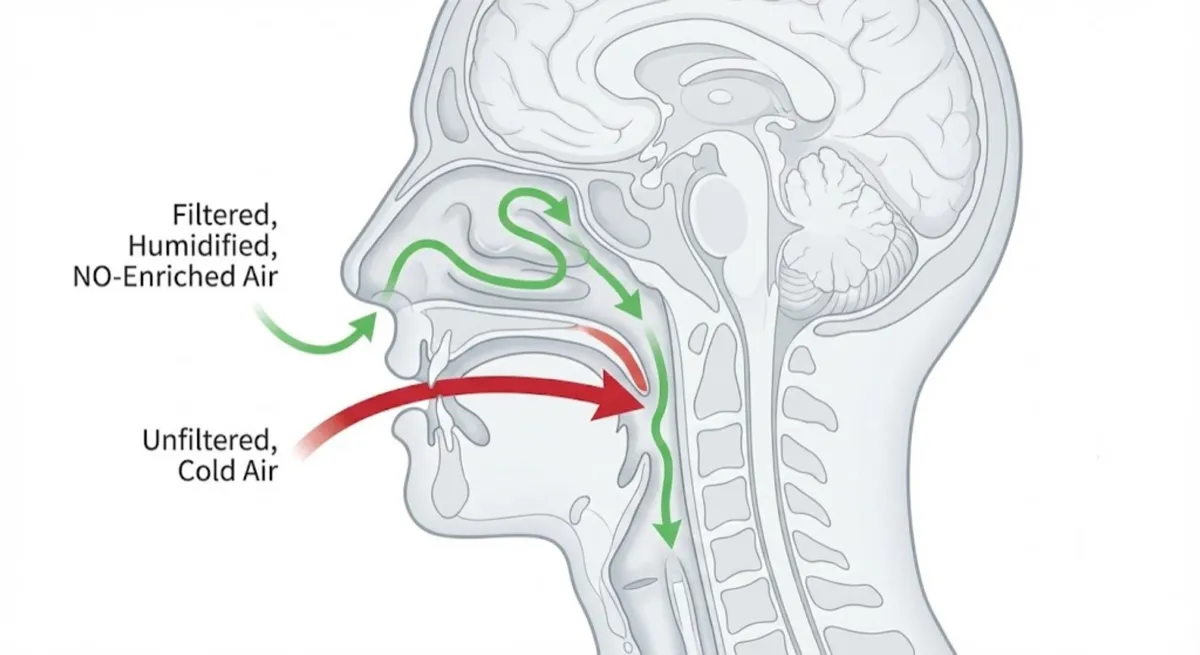
Not true. No tape treats sleep apnea, and none “cures” snoring. What it can do is gently encourage nasal breathing by keeping the lips closed — a comfort and habit benefit, not a medical fix. The regulatory picture agrees: in most Western markets this product family sits in Class I as an external comfort aid, and the moment a brand claims to treat a condition, it crosses into different territory — that line is exactly why honest positioning isn’t just ethics, it’s classification. Untreated sleep apnea needs proper medical care, full stop.

Two different questions, honestly answered. On safety: for many healthy adults it’s used to encourage nasal breathing during sleep, but it isn’t suitable for people with untreated or suspected sleep apnea, a consistently blocked nose, or reflux (GERD), and it’s not for young children without professional guidance — those users should speak to a doctor first. Honest about side effects, too: the realistic complaints are skin-level, not dramatic — mild redness or irritation where the adhesive sat, dry lips on waking, and discomfort on removal if the adhesive is too aggressive or removed carelessly. A skin-safe adhesive and a gentle peel solve most of it; a reaction that persists is a reason to stop and ask a doctor. On the fad question: what the social-media version gets right is that demand is real and habitual (which is why subscription models work here); what it gets wrong is everything in Myth 1. A responsible brand says both parts out loud.
mouth tape and nasal strips, factory-direct – 10M+ pcs/month, samples in 3–7 days. Start with dropshipping or go private label.
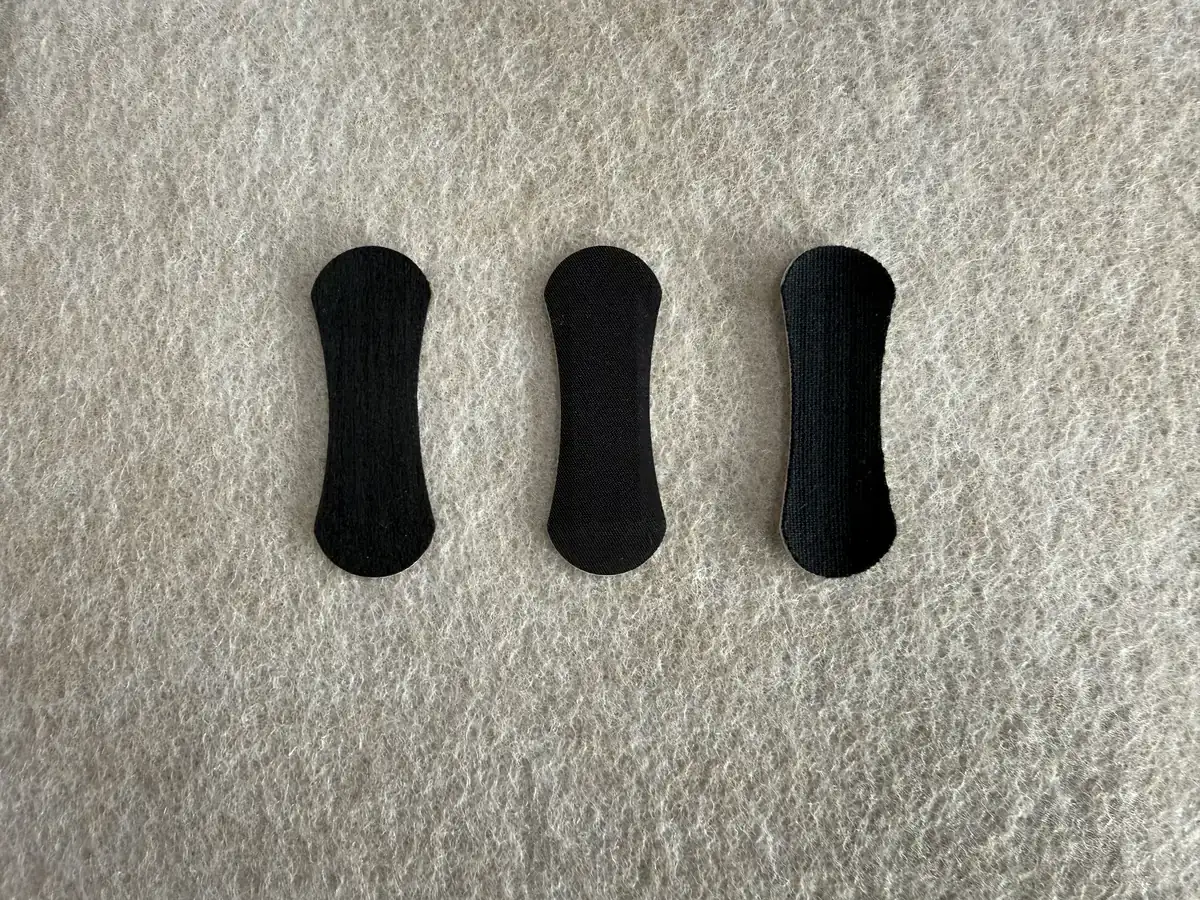
False — and this one causes real harm. Industrial or stationery tape isn’t breathable and can irritate or tear delicate lip skin — skin that stays soft and thin all night, unlike the tougher skin on a hand. Skin-contact products use a gentler, skin-safe adhesive on a breathable backing, and better designs include a central vent that allows airflow through the night. Breathability and adhesive choice are the two things that separate a product designed for lips from tape designed for boxes.
Not quite. The goal is enough hold to stay put through a night with comfortable removal in the morning. Too aggressive an adhesive means a painful peel — a fast way to lose a customer. On the production side, hold and removal force are measured on dedicated testers (peel-strength, retentivity), so brands can compare options by data rather than by how sticky a sample feels on the hand.
No — and this expectation sets products up to disappoint. The basics still do the heavy lifting: a consistent schedule, avoiding alcohol close to bedtime, managing nasal congestion, and screening for real sleep disorders when symptoms point that way. Mouth tape is a small aid that sits on top of those basics, not a substitute for any of them. A brand that markets it as a fix for poor sleep is borrowing a refund. Position it as one gentle habit tool for people whose basics are already in place, and route the loud-and-constant-snoring crowd to a doctor instead of a checkout page.
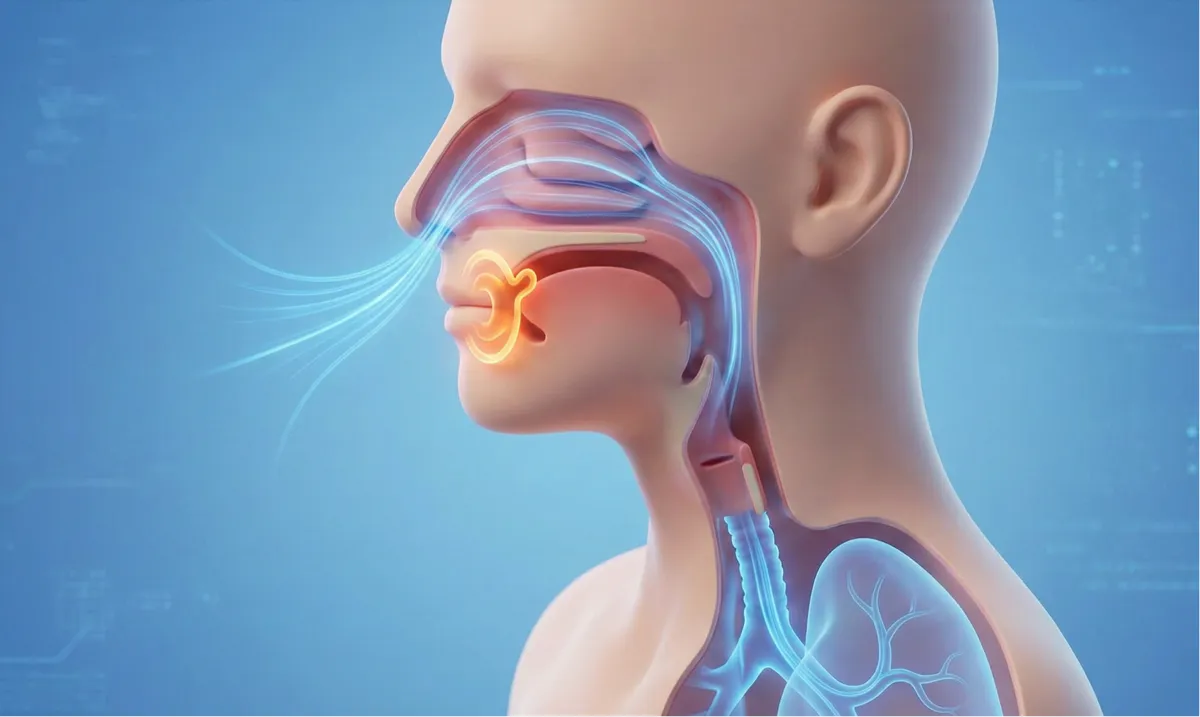
Since “any tape will do” is false, here’s what differentiates a real product. Backings run cotton, rayon and lip-shaped designs — cotton for a softer feel, rayon as a smooth, cost-effective standard, lip-shaped for a friendlier first-time wear. Adhesives come in acrylic (stronger hold, mid cost) and silicone (gentler removal, repositionable, higher cost) — behaviour confirmed per version by sample. Biocompatibility documentation per ISO 10993 and material declarations (latex-free status, for example) are confirmed per version, in writing, before any claim reaches a listing. And for children-adjacent products, materials, documents and usage boundaries get checked first — no exceptions.
If you’re building a sleep brand, the myths above are also your positioning risks. The brands that last don’t over-promise — they’re honest about who mouth tape is not for, use skin-safe materials and vented designs, and keep claims to breathing comfort. That honesty is a competitive edge, not a limitation.
If that’s the kind of product you want to build, our guide on private label mouth tape cost covers materials, MOQ and compliance — start there.
图片建议:
内链建议:(软桥接:品牌 offramp)
消费者段不塞 B CTA;品牌 offramp 集中强内链。
外链建议: 鼻呼吸/睡眠机制引权威健康科普(非疗效);不链竞品;不链声称治疗来源。
FAQ:
总结: Most mouth tape myths overpromise. The honest version — encourages nasal breathing, not a cure, not for everyone — is also the safest brand positioning. For brands, honesty about materials, safety and claims is the edge. Building one? Our mouth tape cost guide is the next step.
作者 byline:Jason W(发布时置于总结后)。
误区型✅(澄清代替承诺) · 合规:全程no cure/OSA/guaranteed + see a doctor,守Claims Boundary ✅ · 软桥接:消费者段无B CTA,品牌offramp强内链 ✅ · 唯一性:误区角度,与snoring对比篇不同 ✅ · pending_review 人审
Most mouth tape myths overpromise. The honest version — encourages nasal breathing, not a cure, not for everyone — is also the safest brand positioning. For brands, honesty about materials, safety and claims is the edge. Building one? Our mouth tape cost guide is the next step. Building a mouth tape line? See how private label mouth tape works with us.
For some people it encourages nasal breathing during sleep; it’s a comfort and habit aid, not a treatment for anything.
Not inherently for many healthy adults, but it isn’t for everyone — untreated sleep apnea, a consistently blocked nose, reflux, or use by young children all call for a doctor’s input first. Skin-level complaints (mild redness, dry lips, removal discomfort) are the realistic ones.
No — use skin-safe adhesive designed for the purpose; industrial tape can irritate or tear skin.
No — you want hold with comfortable removal; too aggressive hurts to peel. Hold and removal force are measured on dedicated testers in production.
No product treats sleep apnea; that needs proper medical care.
Backings run cotton, rayon and lip-shaped designs; adhesives acrylic or silicone, confirmed per version. ISO 10993 biocompatibility documentation and material declarations are available on request.
Honestly: skin-safe materials, vented design, claims kept to breathing comfort, and clear about who shouldn’t use it.
About the author — Jason W is the founder of Vitazora, a specialist manufacturer of nasal strips and mouth tape for global brands. After six years across export trade and the factory side of skin-safe adhesive manufacturing, she helps DTC and distributor brands get from sample to a safe first order — without the compliance and reorder mistakes that sink new launches.
Note: specifications, MOQ, certifications and timelines are confirmed per product version and target market before quoting. Nasal strips and mouth tape are positioned for breathing comfort and are not described as treating any medical condition.
mouth tape and nasal strips, factory-direct – 10M+ pcs/month, samples in 3–7 days. Start with dropshipping or go private label.
