
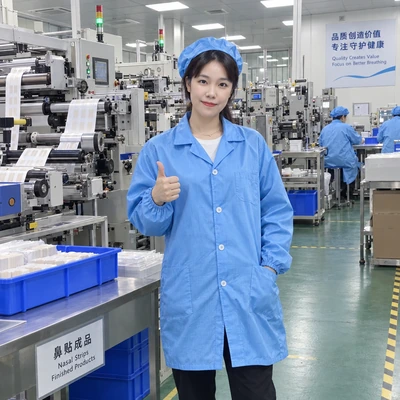
 Sep 30, 2026
From Sample to First Order: Nasal Strip Launch
Here’s how a first nasal strip order actually goes, start to finish: spec it, sample it (3–7 days), lock the spec and packaging, confirm the order (P
Table of Contents
Here’s how a first nasal strip order actually goes, start to finish: spec it, sample it (3–7 days), lock the spec and packaging, confirm the order (PI), produce under QC (~15–25 days), and ship DDP. The whole point is to de-risk each step so your first order is one you can sell through — not a guess you regret.
New brands often ask what the process actually looks like. So let’s walk a realistic first order from start to finish. (This is an illustrative walkthrough, not a specific client — but it mirrors how most launches go.)
Picture a new sleep brand — call them “Brand X” — launching private label nasal strips. Here’s the path, and the decision at each step.
Step 1 — Define the spec (feasibility review)

Brand X starts with a spec review, not a locked spec: material (non-woven, silk-touch or transparent PE), size, and the adhesion target for a sleep audience — where gentle removal matters more than maximum hold. They send use case, target market, rough volume, any artwork, and their invoice/import-document requirements, and the supplier reviews what’s feasible at what customization depth. My advice at this stage is always the same: customize what the customer notices, hold the rest. They aim for a clean logo print and skip a custom shape on run one. A common first-order discussion range is 1,000–15,000 pcs depending on customization level (5–50 strips per resealable bag, customizable) — confirmed per configuration.
Step 2 — Sample (3–7 days)
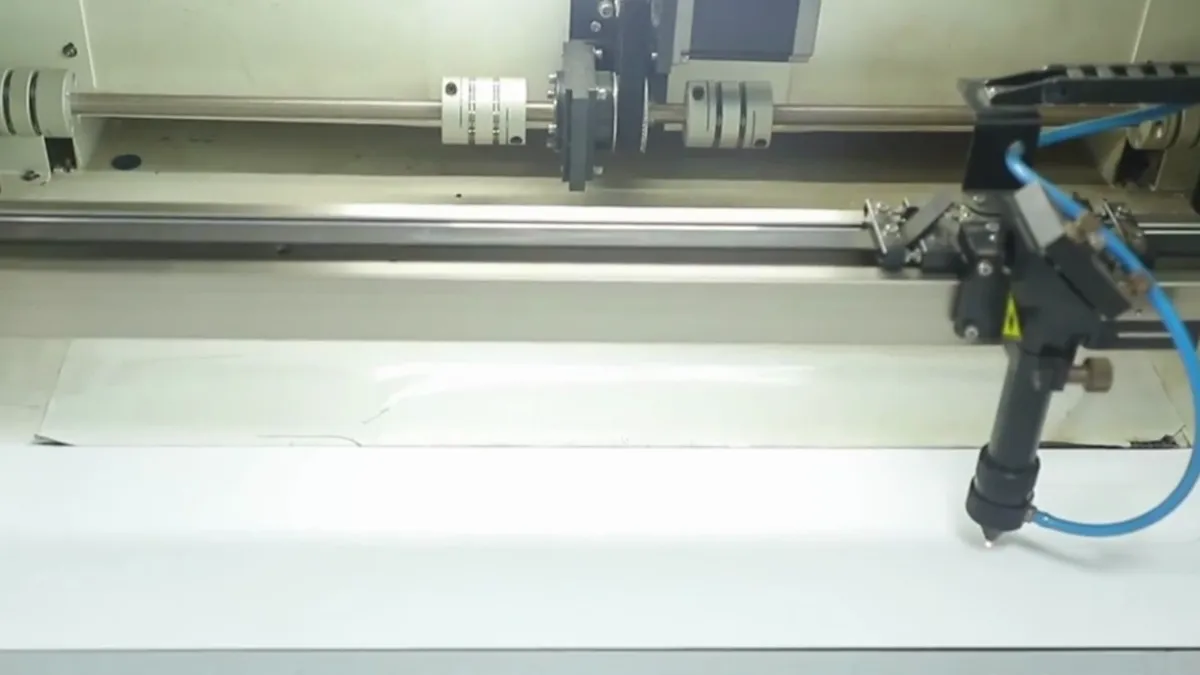
A prototype comes back in about 3–7 days. Brand X tests it on real skin overnight — hold, comfort, morning removal, print. They request one adhesion variation to compare. This is where a launch is saved or sunk; a sample that fails here would have been a failed bulk order.
Step 3 — Lock the spec and the packaging
Only after the sample passes does the spec actually lock. A pre-production confirmation records the exact version, material, colour, logo, pack format and pieces per pack — and which design file version this PO uses. Brand X picks a pouch for their D2C launch — simpler and lighter than a retail box — sets pack count to match their price point, and confirms colour on the physical sample. Retail boxes wait until they have shelf placement.
Step 4 — Order confirmation, then production (~15–25 days)
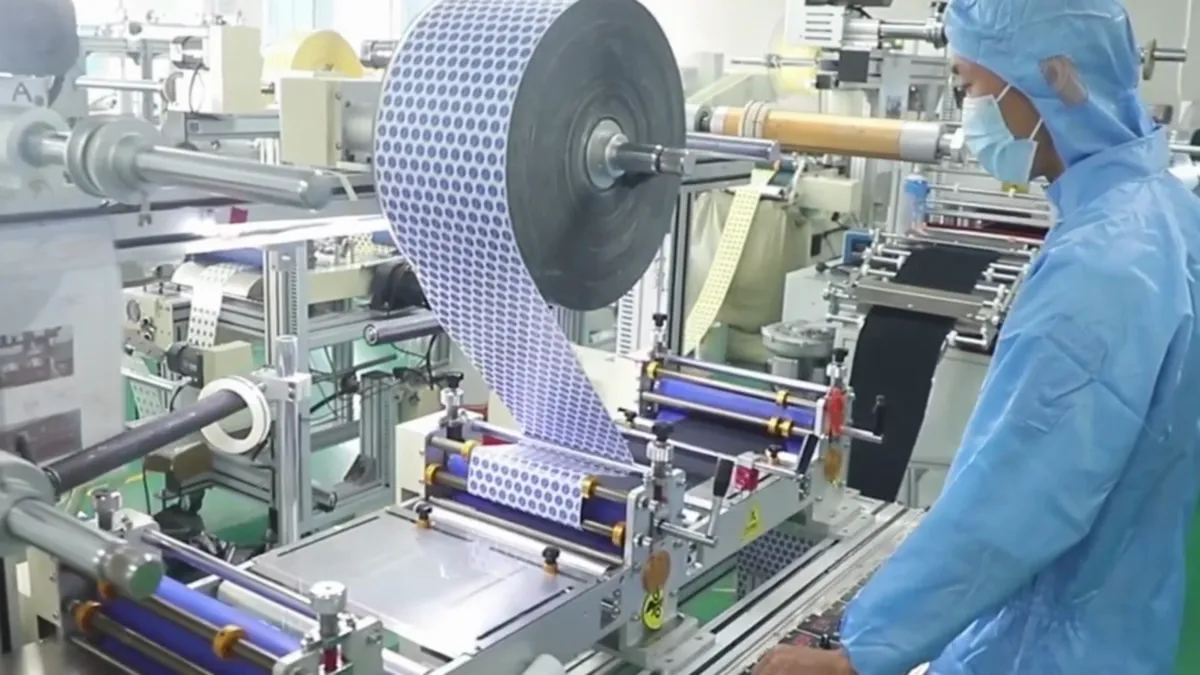
With the spec locked, the commercial details get settled before production starts: the PI (proforma invoice) records the order configuration, payment milestones and the invoicing entity, so nothing moves on ambiguity. Then production runs about 15–25 days (roughly 20–25 when the packaging itself is custom) under an ISO 13485 quality system: incoming (IQC), in-process (IPQC) and final (FQC) inspection, with a first-article check against the approved sample. Consistency here is what makes reorder #2 identical to order #1.
Step 5 — QC release & DDP shipping
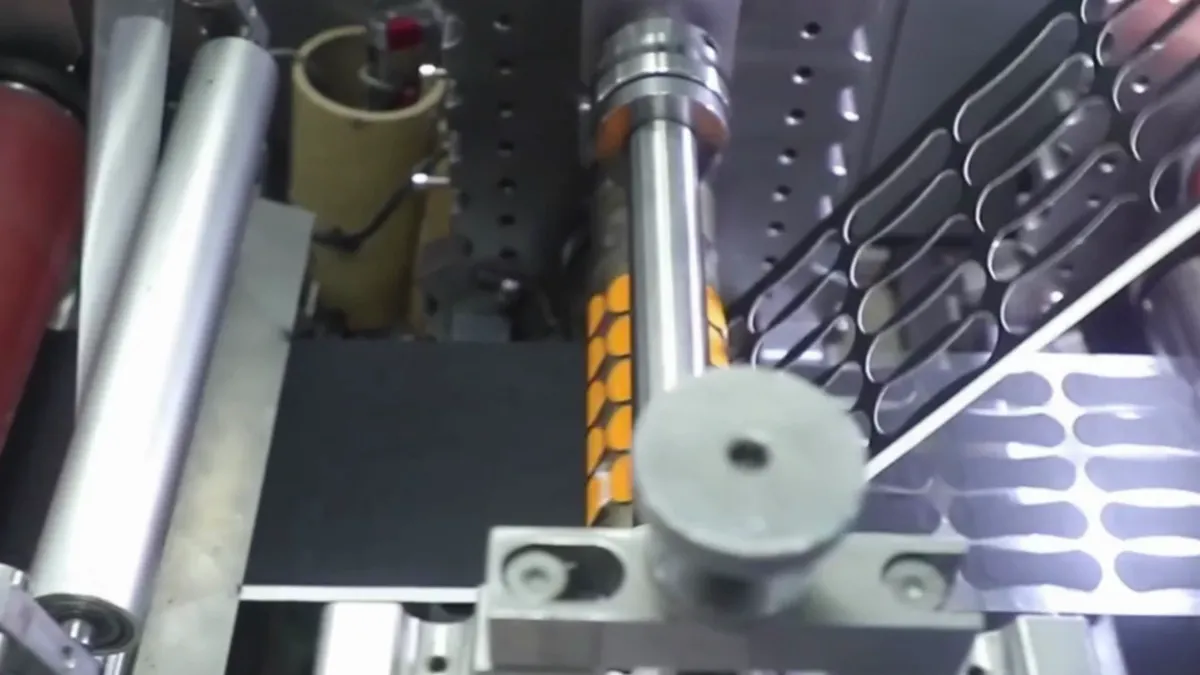
Every batch passes final inspection before release, then ships DDP — door to door, customs cleared on both sides — so Brand X plans against a landed cost, not a factory-gate price. Incoterms, payment terms and invoicing were already settled at the PI stage, so customs holds no surprises.
What made it low-risk
Notice what Brand X didn’t do: they didn’t over-customize run one, didn’t skip sampling, didn’t lock a spec before a sample passed, and didn’t order more than they could sell. That’s the whole game — a first order you can move, then scale the winner.
From sample to first order, the path is spec review → sample (3–7 days) → spec and packaging lock → order confirmation (PI) → QC production (~15–25 days) → DDP shipping — each step designed to de-risk the next. The winning move for a new brand is a focused, sampled first order you can sell through. Ready to start? Request a sample kit with your spec. Ready to walk it yourself? Start with a sample kit for your spec.
FAQ
How long does the nasal strip OEM process take?
Spec review → sampling (3–7 days) → spec lock and packaging confirmation → order confirmation (PI) → production (~15–25 days; 20–25 with custom packaging) → QC release and DDP shipping. The whole journey fits inside a few weeks.
What’s the first step?
A spec review — material, size, adhesion target for your specific audience — with feasibility confirmed before anything locks.
Why is sampling so important?
It’s where you catch problems before they become a failed bulk order, and nothing locks until the sample passes.
What packaging should a new brand pick?
Often a pouch for D2C — simpler and lighter; retail boxes once there’s shelf placement.
How is consistency ensured?
ISO 13485 production with IQC/IPQC/FQC inspection and a first-article check against your approved sample.
What order size should we plan?
First orders are commonly discussed at 1,000–15,000 pcs depending on customization level (5–50 strips per resealable bag, customizable), confirmed per configuration.
About the author — Nancy is the founder of Vitazora, a specialist manufacturer of nasal strips and mouth tape for global brands. After six years across export trade and the factory side of skin-safe adhesive manufacturing, she helps DTC and distributor brands get from sample to a safe first order — without the compliance and reorder mistakes that sink new launches.
Note: specifications, MOQ, certifications and timelines are confirmed per product version and target market before quoting. Nasal strips and mouth tape are positioned for breathing comfort and are not described as treating any medical condition.
For brands and wholesale buyers: evaluate quality and customization options before bulk ordering. Free samples, shipping applies.
Request samples →