
 Sep 30, 2026
7 Things to Check Before Choosing a Nasal Strip Supplier
Before you pick a nasal strip supplier, check seven things: single-category focus, real quality control, compliance and documents, honest MOQ, sampling, ND
Table of Contents
- 1. Do they specialize — or make everything?
- 2. How do they control batch-to-batch consistency?
- 3. Are they compliant — with documents to prove it?
- 4. Is their MOQ honest, or a headline number?
- 5. Can you sample before you commit?
- 6. Will they sign an NDA?
- 7. Do they handle shipping and landed cost?
- The one I’d weight highest
- FAQ
Before you pick a nasal strip supplier, check seven things: single-category focus, real quality control, compliance and documents, honest MOQ, sampling, NDA, and shipping. Most first-order problems trace back to skipping one of these — not to unit price.
I’ve been on the factory side of this business for six years, and I’ll be blunt: most brands vet a nasal strip supplier on price and a nice website, then get burned on the things below — especially in private label and OEM programs, where the supplier’s process ends up inside your brand. Here’s the checklist I’d use if I were buying — in the order that actually protects your launch.
Why trust this list? Because I’ve seen where first orders go wrong from the inside — usually not on unit price, but on the seven points here.
1. Do they specialize — or make everything?
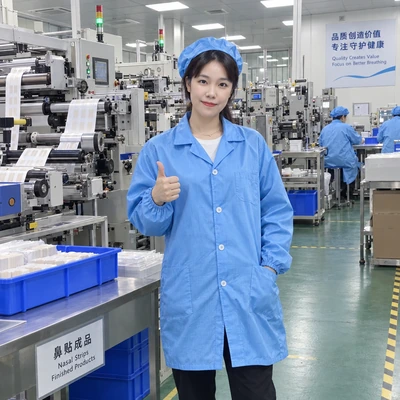
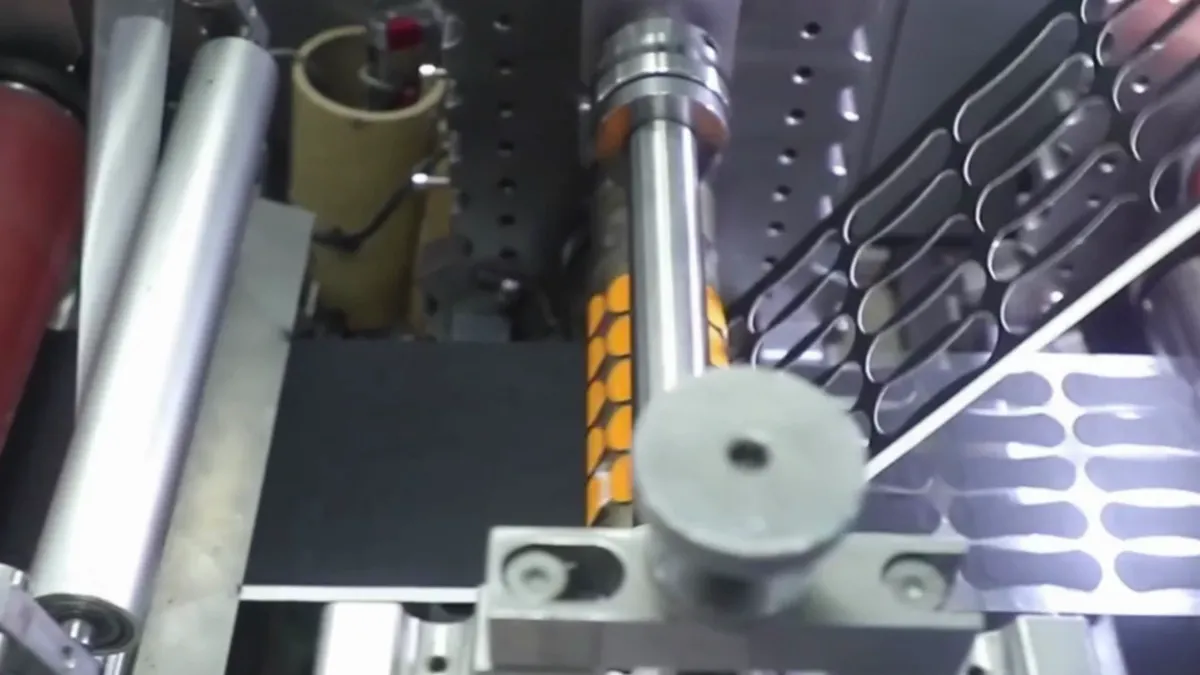
A factory that makes nasal strips, mouth tape and twenty unrelated disposables splits its R&D. A focused skin-adhesive specialist usually means better adhesive and skin-safety know-how. Ask what percentage of their output is this category, and ask for verifiable facility facts — ours runs under an third-party audit-verified profile of roughly 1,800 m² and about 50 staff, supporting English and Chinese communication, with detailed records reviewable under NDA during qualification.
2. How do they control batch-to-batch consistency?
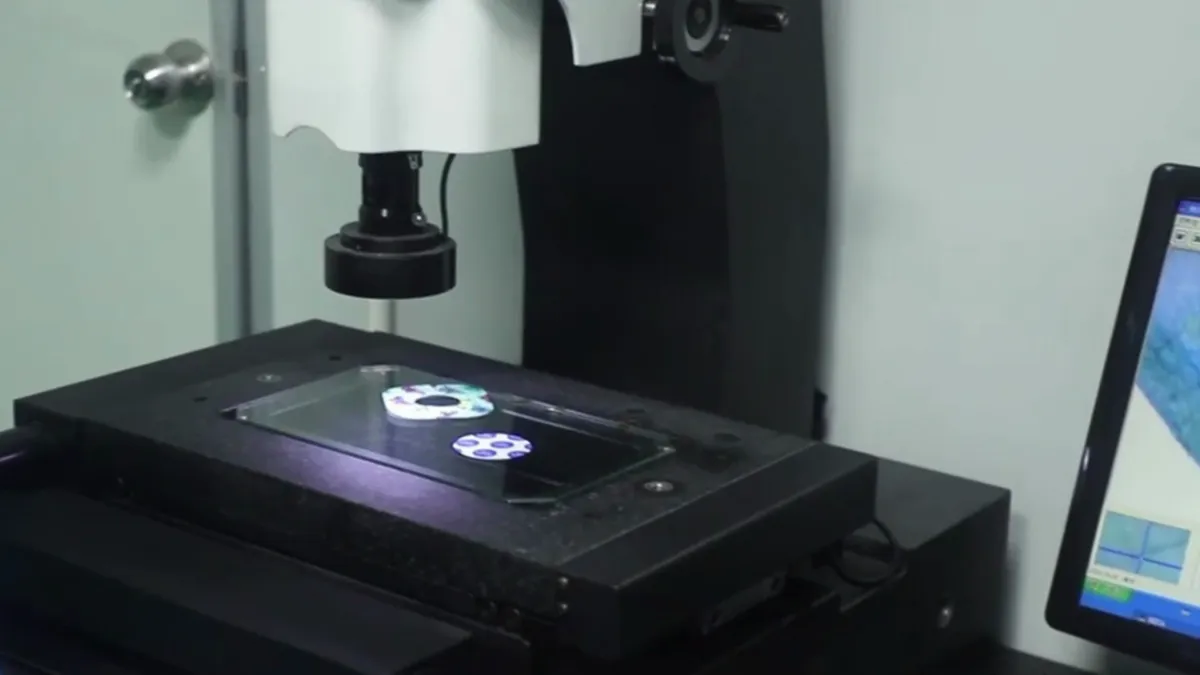
This is the one that shows up on your reorder. Ask about incoming (IQC), in-process (IPQC) and final (FQC) inspection, plus a dedicated first-article step — and whether adhesion and dimensions are measured on real equipment (peel-strength tester, retentivity tester, video measuring system) rather than eyeballed. Our quality system runs under ISO 13485 with exactly that three-stage inspection chain and those three measurement instruments. Consistency is what keeps your 100th order like your first.
3. Are they compliant — with documents to prove it?
For a nasal strip (a Class I medical device in most Western markets), ask for an ISO 13485 quality system, FDA registration, ISO 10993 biocompatibility documentation and CE files — available on request, current versions rather than stale scans. The registration is usually held by you or your importer; the supplier’s job is to hand you the manufacturing documents that survive customs and marketplace review.
4. Is their MOQ honest, or a headline number?

A real answer to “what’s your MOQ?” depends on your customization — packaging-only is the most flexible entry, and deeper customization steps it up. A common first-order discussion range is 1,000–15,000 pcs depending on customization level (a pack holds 5–50 strips, customizable), subject to factory confirmation. Be wary of one tiny number with no spec attached: a good supplier confirms the range for your print, packaging and shape.
5. Can you sample before you commit?
Never skip this. You want samples across a couple of adhesion and design variations, on a turnaround of about 3–7 days, so you test on your real spec before bulk — comfort, hold, print and removal, on the skin of people who actually match your audience.
6. Will they sign an NDA?
If you’re developing anything differentiated — custom shapes, scents, premium positioning — ask early. A supplier that signs an NDA before detailed discussion is protecting your brand; ours signs before artwork, specs or unreleased concepts are shared.
7. Do they handle shipping and landed cost?
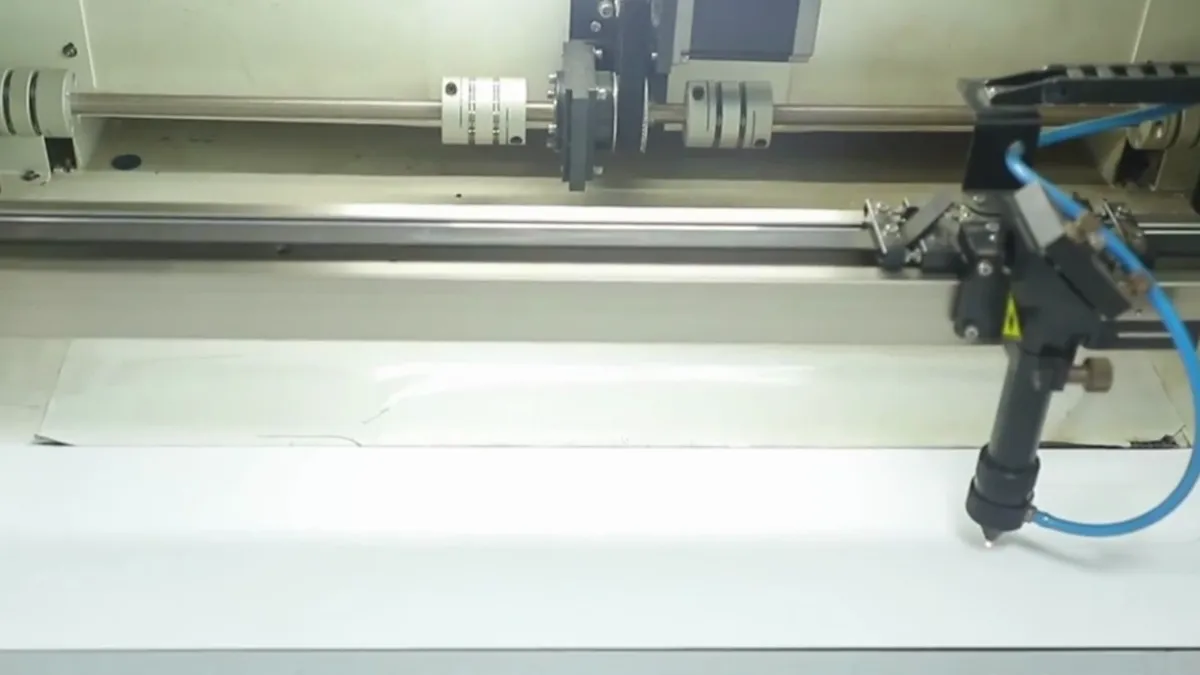
Ask about DDP (door-to-door, duty paid, customs cleared on both sides). Landed cost — not factory-gate price — is what hits your margin. On the production side, sanity-check the timeline too: samples 3–7 days, standard production around 15–25 days, roughly 20–25 with custom packaging or die-cut shapes, against capacity of up to about 10 million pieces a month — and a written quality agreement is the standard confidence signal on this line.
The one I’d weight highest
If I had to pick one: #2, consistency. A cheap first sample means nothing if the reorder drifts on adhesion. Vet that hardest.
Vet a nasal strip supplier on specialization, consistency, compliance/documents, honest MOQ, sampling, NDA, and DDP — not price and a nice site. Weight consistency highest; it decides your reorder. Want to compare against these seven? Talk to our team and request samples. The same checks are how we run our own nasal strips line — start with a sample kit.
FAQ
How do I choose a nasal strip supplier?
Check single-category focus, QC/consistency, compliance and documents, honest MOQ, sampling, NDA, and DDP shipping.
What’s the most important factor?
Batch-to-batch consistency — it’s what your reorder depends on.
Should the supplier hold FDA/CE registration?
Registration is usually held by you/your importer; the supplier provides the manufacturing documents (ISO 13485, FDA, CE files) on request.
Is a very low MOQ a good sign?
Only if it’s tied to your spec; a headline number with no spec is a warning.
Should I sign an NDA?
Ask the supplier to — especially for differentiated products.
Does the supplier handle shipping?
A good one offers DDP, handling customs to your door.
About the author — Nancy is the founder of Vitazora, a specialist manufacturer of nasal strips and mouth tape for global brands. After six years across export trade and the factory side of skin-safe adhesive manufacturing, she helps DTC and distributor brands get from sample to a safe first order — without the compliance and reorder mistakes that sink new launches.
Note: specifications, MOQ, certifications and timelines are confirmed per product version and target market before quoting. Nasal strips and mouth tape are positioned for breathing comfort and are not described as treating any medical condition.
For brands and wholesale buyers: evaluate quality and customization options before bulk ordering. Free samples, shipping applies.
Request samples →